BlitzTrip - Spontaneous Travel Booking App
Role: Product Designer (UI/UX)
Timeline: Concept to high‑fidelity prototype
Platform: Mobile (iOS & Android)
Tools: Figma, Maze
Overview
BlitzTrip is a concept travel app built for people who often have to plan trips at the last minute, especially working professionals. The idea came from a simple observation: booking a trip quickly on mobile is still stressful, fragmented, and time‑consuming exactly when users don’t have the luxury of time.
This project focuses on designing a fast, confidence‑building booking experience that helps users go from intent to checkout in just a few steps
The Problem
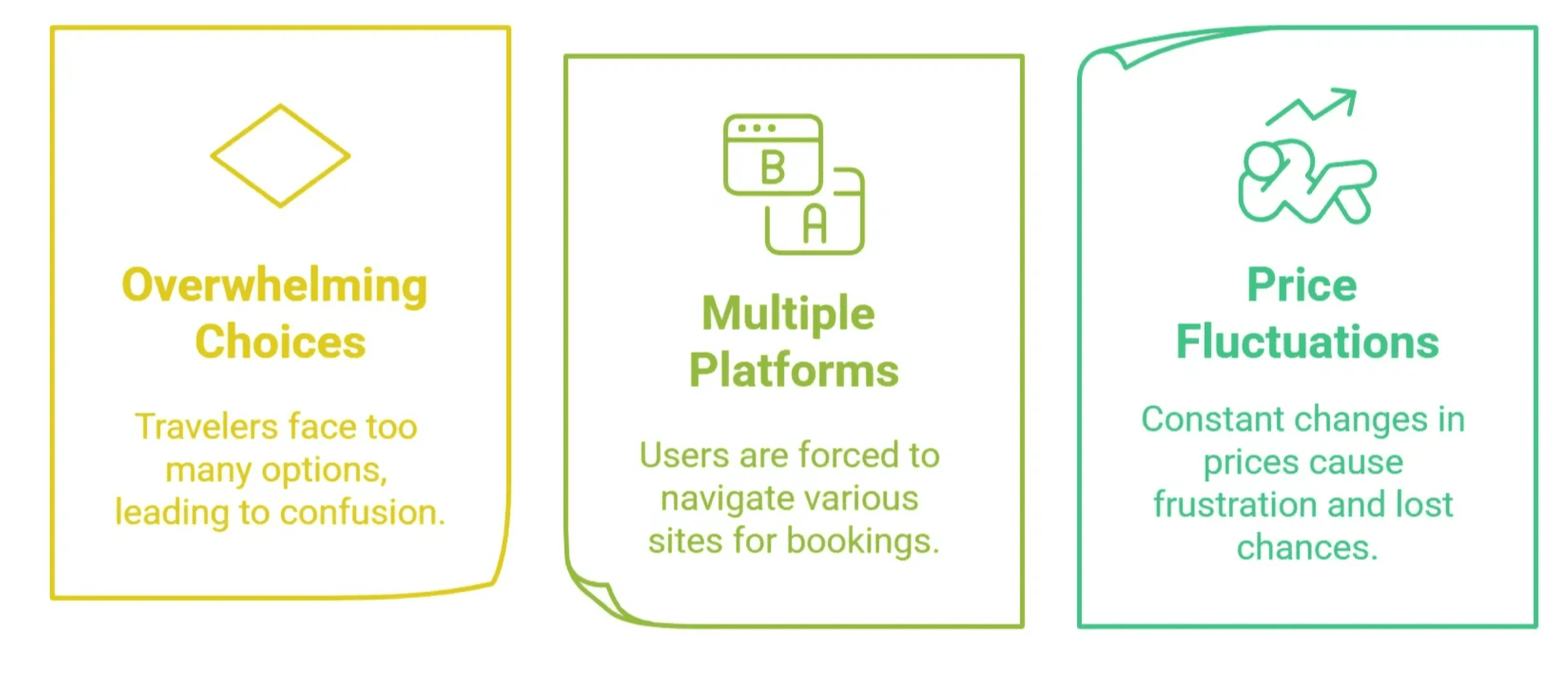
During last‑minute travel planning, users struggle with: -
Switching between multiple apps for flights, hotels, and transport
Too many options that slow down decision‑making
Booking flows that are not optimized for speed on mobile
This often leads to abandoned bookings, rushed decisions, or missed trips.
How Might We?
Help users plan and book a complete trip quickly without overwhelming them?
Users & Context
Primary users:
Business travellers aged 25–40
Frequently travel on short notice
Rely heavily on mobile apps
Prefer clarity, speed, and reliability over extensive customization
Key pain points:
My Role
I worked as the Product Designer, owning the project end‑to‑end.
My responsibilities included:
Framing the problem and defining goals.
Designing user flows and information architecture.
Creating wireframes and high‑fidelity UI
Prototyping and usability testing.
Iterating based on user feedback
Research & Key Insights
What I did
· Reviewed existing travel apps to understand common patterns and gaps
· Conducted user interviews with 5 frequent travelers
· Studied secondary research on booking behavior under time pressure
What I learned
· Users prefer curated choices when they’re in a hurry
· Fewer, clearer options help users commit faster
· Bundled packages feel safer than booking items separately
These insights shaped the core design direction.
Design Approach
Based on the research, I focused on three principles:
1. Reduce decisions: Offer curated travel packages instead of long lists
2. Save time: Minimize steps from search to payment
3. Build confidence: Make pricing, inclusions, and timelines clear
User Flow & Structure
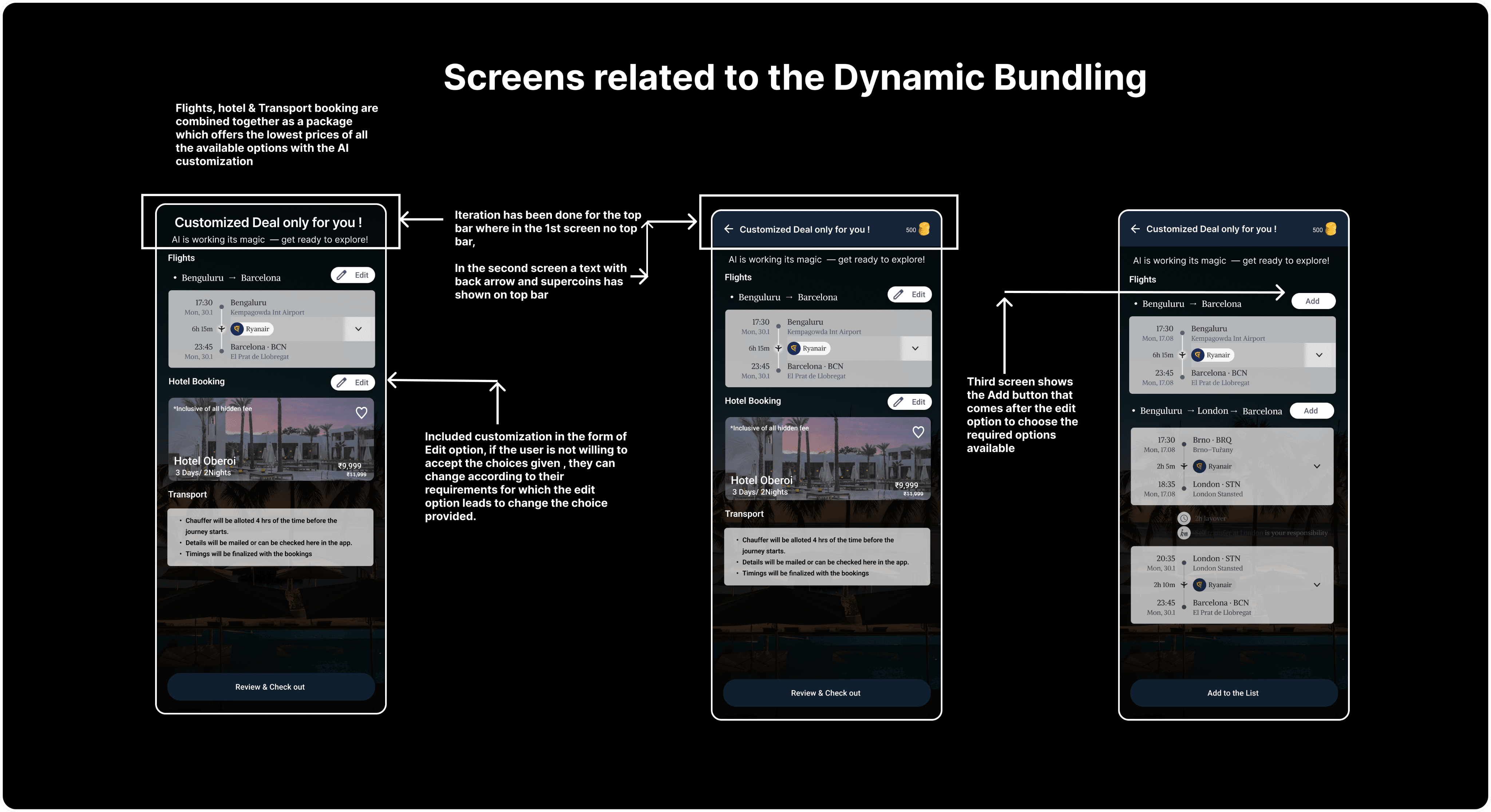
I designed a simplified flow where users can
Enter basic trip details
View pre‑bundled travel packages
Compare key differences on a single screen
Complete booking with a quick checkout
This structure helped remove unnecessary back‑and‑forth and supported faster task completion.
Wireframes & Prototyping
I started with low‑fidelity wireframes to test layout, hierarchy, and flow.
After early feedback, I refined the structure and moved into high‑fidelity designs.
Interactive prototypes were created in Figma to simulate real booking scenarios and validate usability.
Testing & Iterations
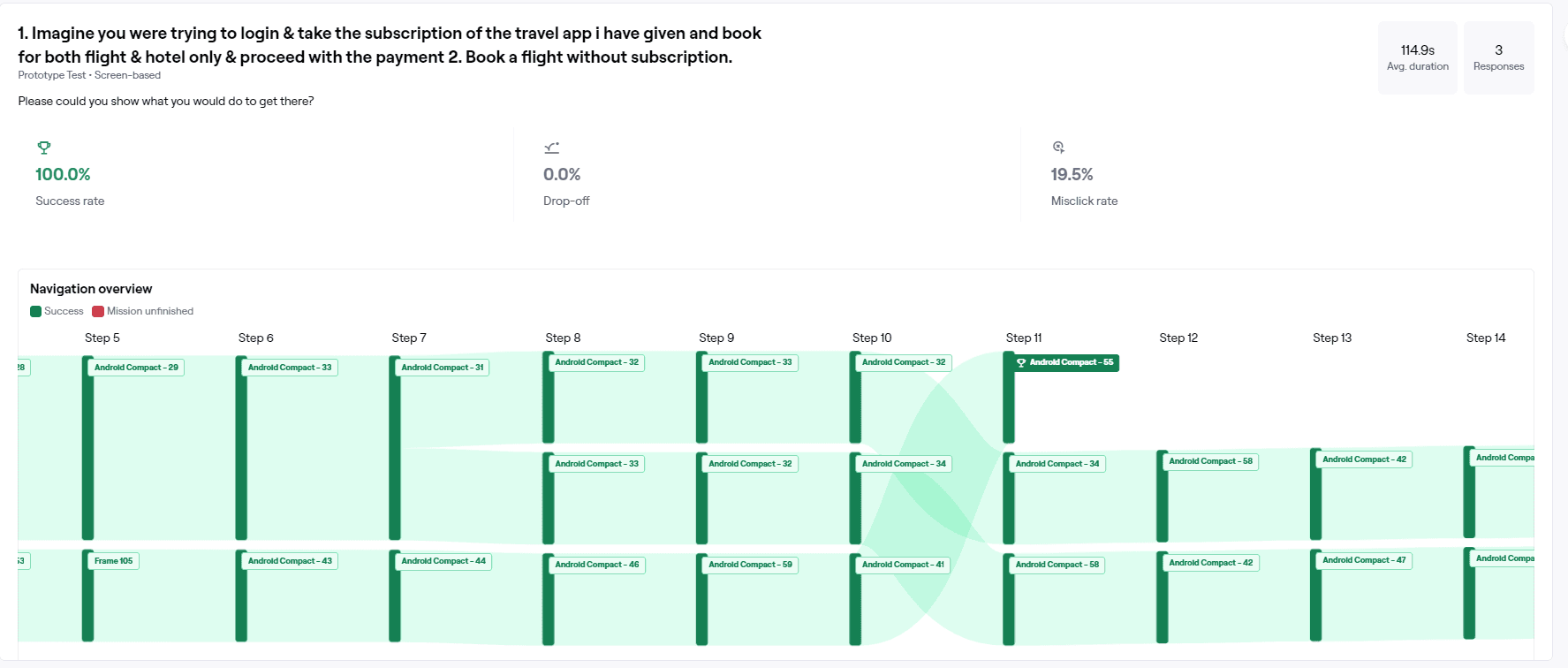
I conducted usability testing with 5 users using Maze.
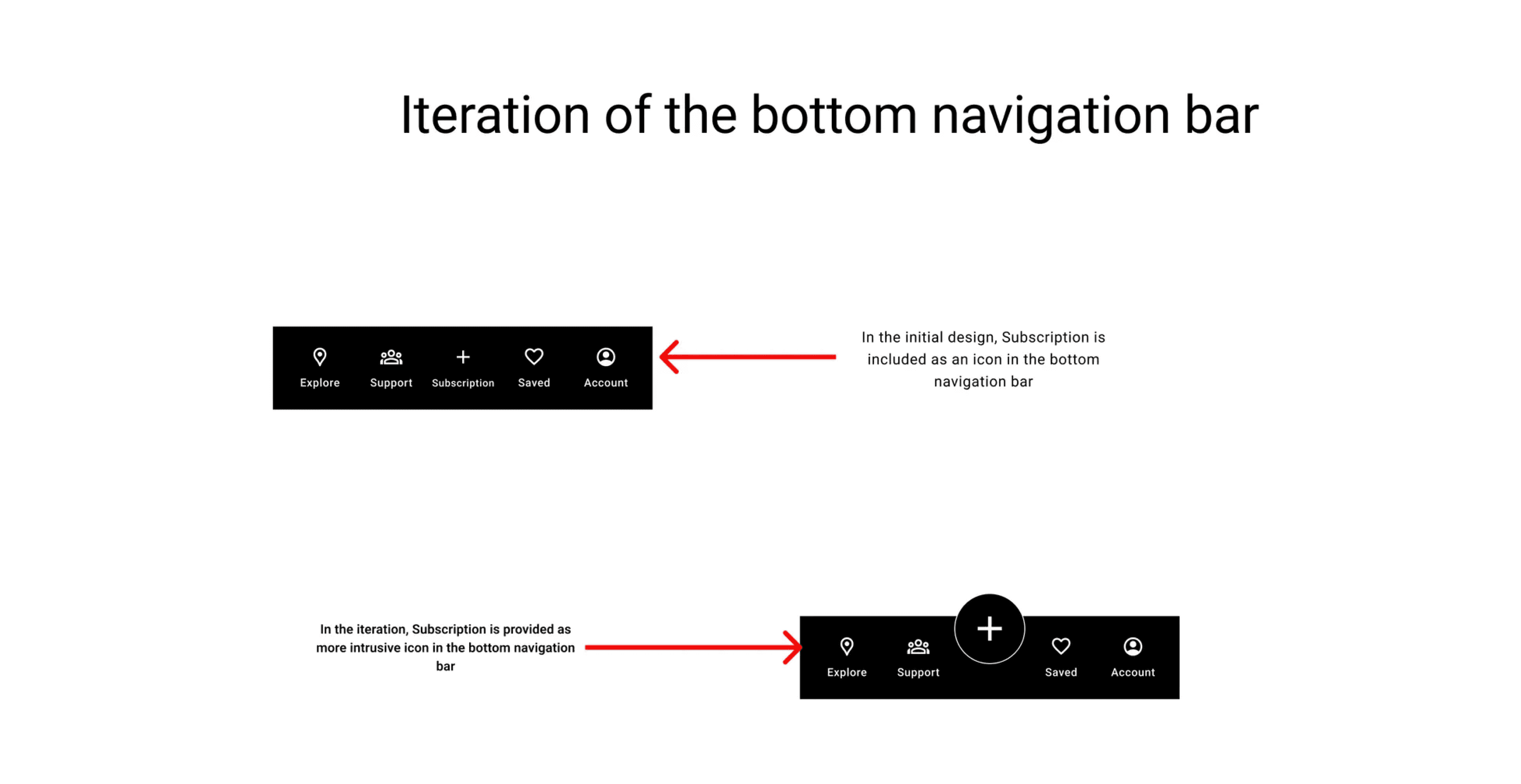
Key changes after testing
· Reduced the number of confirmation screens
· Improved CTA labels where users hesitated
· Simplified the package comparison layout
These iterations helped make the flow feel faster and more intuitive.
Final Outcome
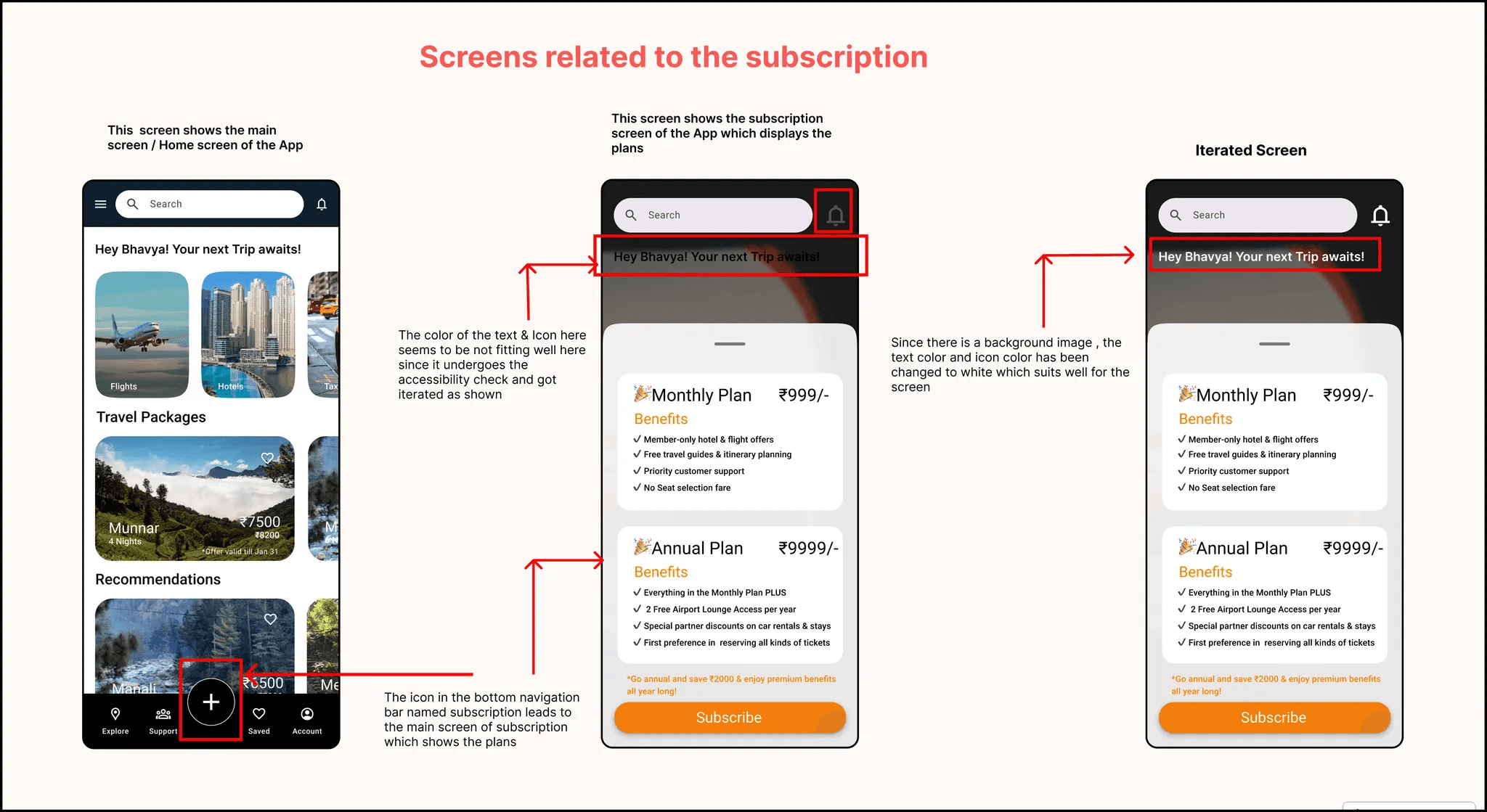
The final design delivers a clean, mobile‑first booking experience focused on speed and clarity. Users can understand their options quickly and complete bookings with fewer interruptions.
Impact (Estimated)
· Reduced booking flow steps by approximately 30%
· Higher task completion rate during usability testing
· Users reported feeling more confident while booking
Why This Project matters?
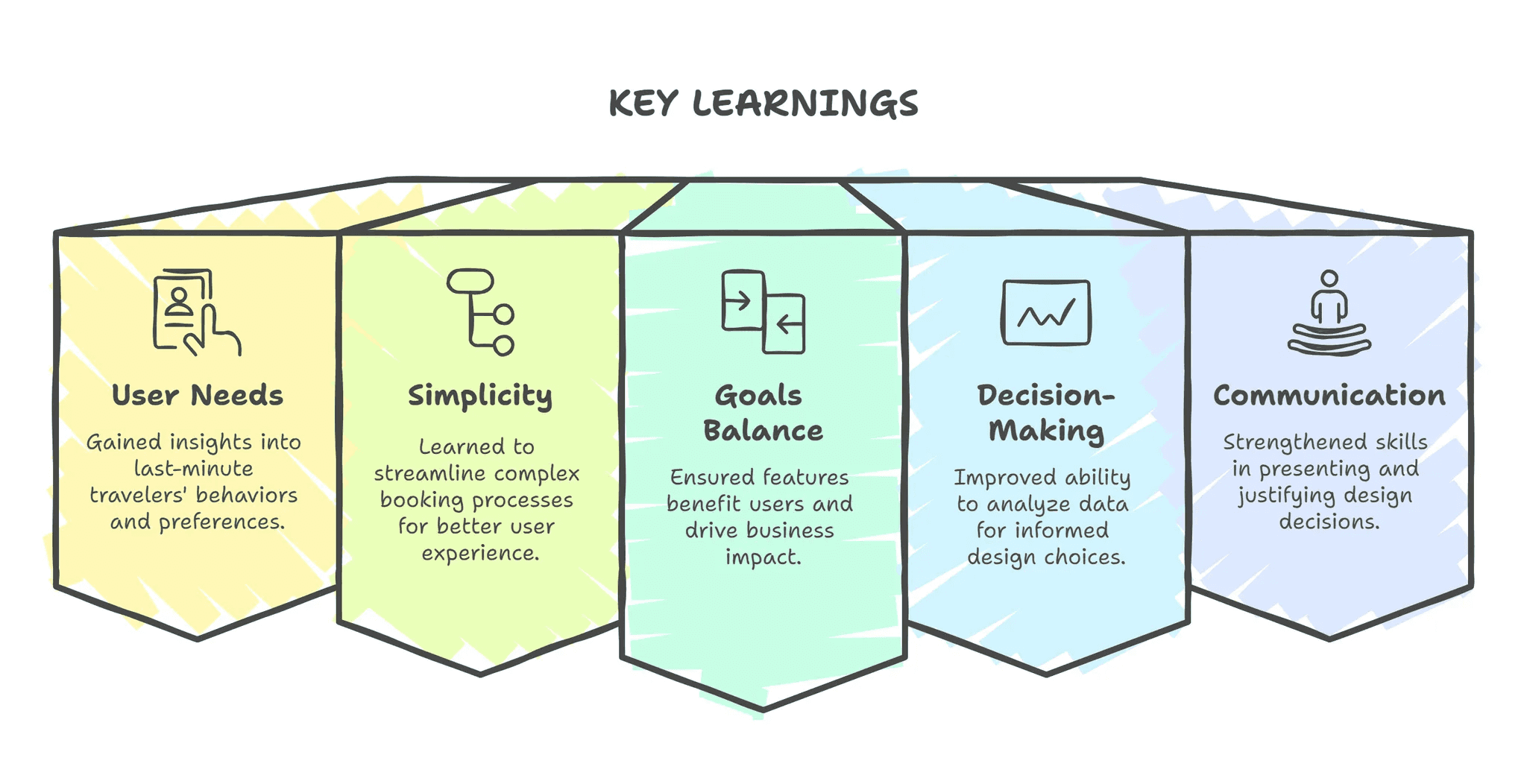
This project reflects how I approach product design — starting from real user problems, validating decisions through research, and designing experiences that balance user needs with business goals
BlitzTrip — Spontaneous Travel Booking App
BlitzTrip - Spontaneous Travel Booking App
Role: Product Designer (UI/UX)
Timeline: Concept to high‑fidelity prototype
Platform: Mobile (iOS & Android)
Tools: Figma, Maze
Role: Product Designer (UI/UX)
Timeline: Concept to high‑fidelity prototype
Platform: Mobile (iOS & Android)
Tools: Figma, Maze

Meghalaya
5 Nights
*Offer valid till Mar 15
₹5400
₹6200

Manali
6 Nights
*Offer valid till Mar 15
₹6500
₹7200
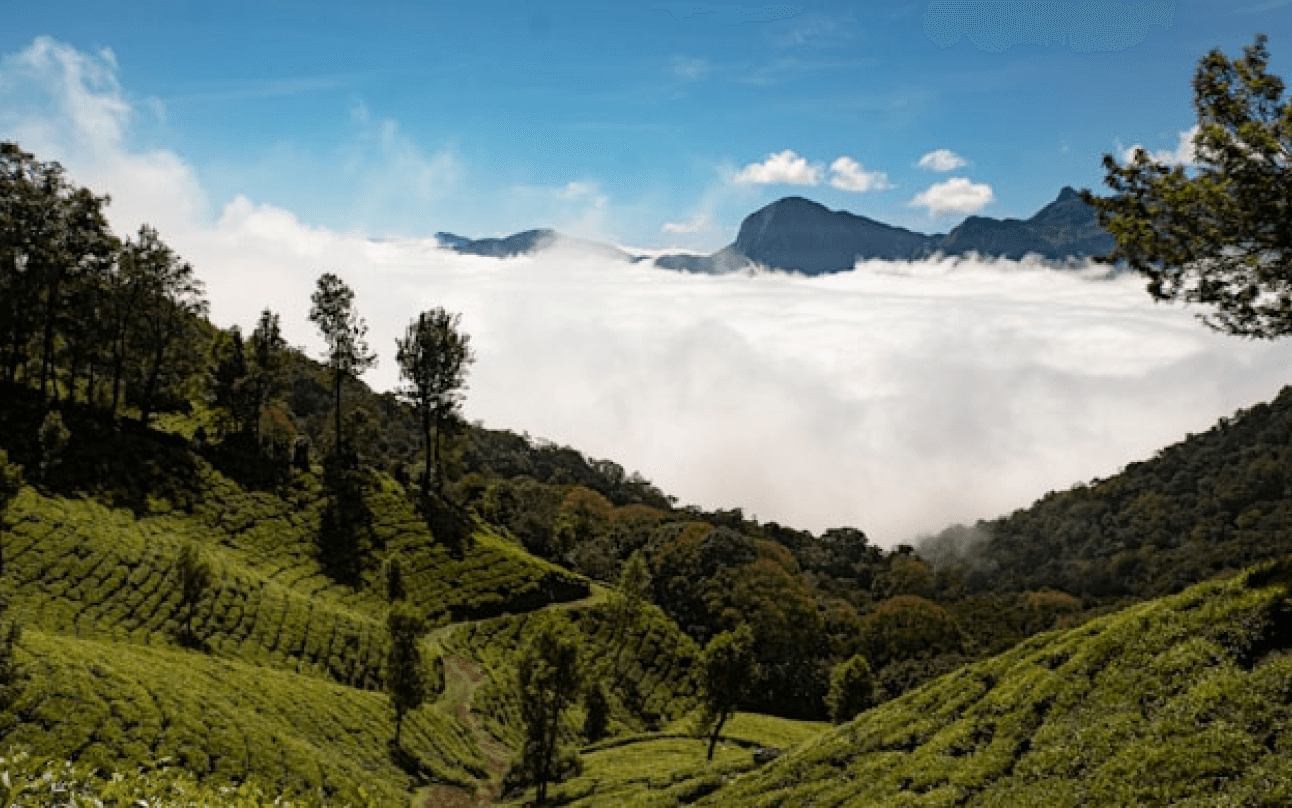
Munnar
4 Nights
*Offer valid till Jan 31
₹7500
₹8200
Travel Packages
Recommendations
Flights
Hotels
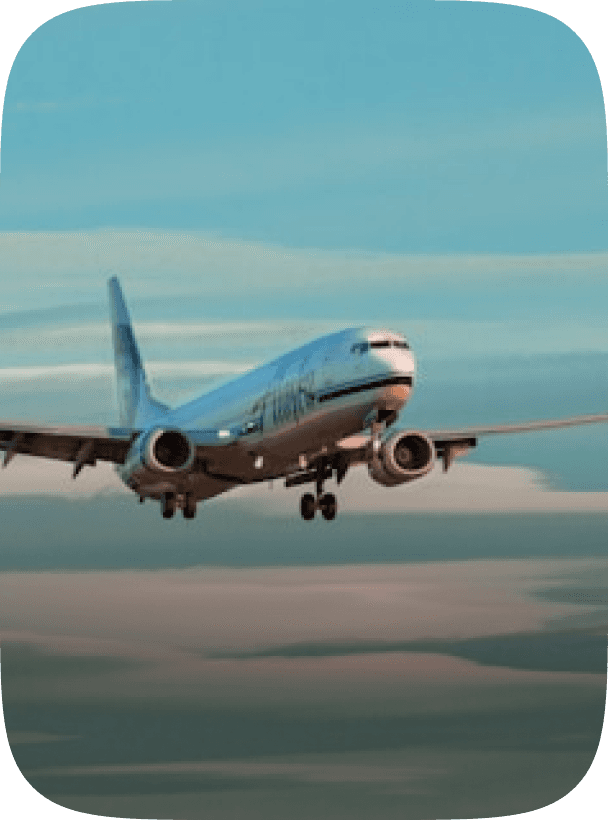
Flights

Hotels
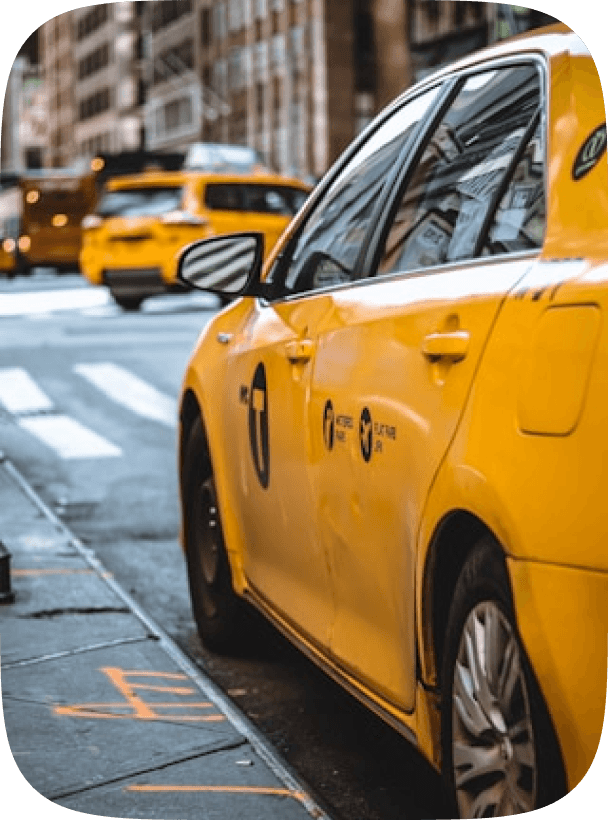
Taxi
Hey Bhavya! Your next Trip awaits!
Munnar
4 Nights
*Offer valid till Jan 31
₹7500
₹8200
Meghalaya
5 Nights
*Offer valid till Mar 15
₹5400
₹6200
Manali
6 Nights
*Offer valid till Mar 15
₹6500
₹7200
Search
Search
Explore
Account
Saved
Support
What’s your pick??
Hey Bhavya!
Skip
These picks helps for customizing your travel, you can choose more than 3!
Next
Next

Mountain

Beach

Snowfall

Adventure
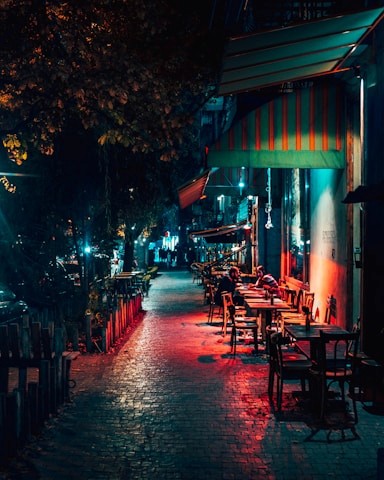
Night life

Star gazing

Camping

Hiking

Relaxation

Springs

Nature

Scuba Diving


Log In
Continue with
Don’t have an account? Sign up
Or


Username

BlitzTrip

Password

Log In
Continue with
Don’t have an account? Sign up
Or
Username
BlitzTrip
Password
Overview
Overview
BlitzTrip is a concept travel app built for people who often have to plan trips at the last minute, especially working professionals. The idea came from a simple observation: booking a trip quickly on mobile is still stressful, fragmented, and time‑consuming — exactly when users don’t have the luxury of time.
This project focuses on designing a fast, confidence‑building booking experience that helps users go from intent to checkout in just a few steps
BlitzTrip is a concept travel app built for people who often have to plan trips at the last minute, especially working professionals. The idea came from a simple observation: booking a trip quickly on mobile is still stressful, fragmented, and time‑consuming — exactly when users don’t have the luxury of time.
This project focuses on designing a fast, confidence‑building booking experience that helps users go from intent to checkout in just a few steps
The Problem
The Problem
During last‑minute travel planning, users struggle with: -
Switching between multiple apps for flights, hotels, and transport
Too many options that slow down decision‑making
Booking flows that are not optimized for speed on mobile
This often leads to abandoned bookings, rushed decisions, or missed trips.
How Might We?
Help users plan and book a complete trip quickly without overwhelming them?
During last‑minute travel planning, users struggle with: -
Switching between multiple apps for flights, hotels, and transport
Too many options that slow down decision‑making
Booking flows that are not optimized for speed on mobile
This often leads to abandoned bookings, rushed decisions, or missed trips.
How Might We?
Help users plan and book a complete trip quickly without overwhelming them?
Users & Context
Users & Context
Primary users:
Business travellers aged 25–40
Frequently travel on short notice
Rely heavily on mobile apps
Prefer clarity, speed, and reliability over extensive customization
Primary users:
Business travellers aged 25–40
Frequently travel on short notice
Rely heavily on mobile apps
Prefer clarity, speed, and reliability over extensive customization
Key pain points:
Key pain points:
My Role
My Role
I worked as the Product Designer, owning the project end‑to‑end.
My responsibilities included:
Framing the problem and defining goals.
Designing user flows and information architecture.
Creating wireframes and high‑fidelity UI
Prototyping and usability testing.
Iterating based on user feedback
I worked as the Product Designer, owning the project end‑to‑end.
My responsibilities included:
Framing the problem and defining goals.
Designing user flows and information architecture.
Creating wireframes and high‑fidelity UI
Prototyping and usability testing.
Iterating based on user feedback
Research & Key Insights
Research & Key Insights
What I did
· Reviewed existing travel apps to understand common patterns and gaps
· Conducted user interviews with 5 frequent travelers
· Studied secondary research on booking behavior under time pressure
What I learned
· Users prefer curated choices when they’re in a hurry
· Fewer, clearer options help users commit faster
· Bundled packages feel safer than booking items separately
These insights shaped the core design direction.
What I did
· Reviewed existing travel apps to understand common patterns and gaps
· Conducted user interviews with 5 frequent travelers
· Studied secondary research on booking behavior under time pressure
What I learned
· Users prefer curated choices when they’re in a hurry
· Fewer, clearer options help users commit faster
· Bundled packages feel safer than booking items separately
These insights shaped the core design direction.
Design Approach
Design Approach
Based on the research, I focused on three principles:
1. Reduce decisions: Offer curated travel packages instead of long lists
2. Save time: Minimize steps from search to payment
3. Build confidence: Make pricing, inclusions, and timelines clear
Based on the research, I focused on three principles:
1. Reduce decisions: Offer curated travel packages instead of long lists
2. Save time: Minimize steps from search to payment
3. Build confidence: Make pricing, inclusions, and timelines clear
User Flow & Structure
User Flow & Structure
I designed a simplified flow where users can
Enter basic trip details
View pre‑bundled travel packages
Compare key differences on a single screen
Complete booking with a quick checkout
This structure helped remove unnecessary back‑and‑forth and supported faster task completion.
I designed a simplified flow where users can
Enter basic trip details
View pre‑bundled travel packages
Compare key differences on a single screen
Complete booking with a quick checkout
This structure helped remove unnecessary back‑and‑forth and supported faster task completion.
Wireframes & Prototyping
Wireframes & Prototyping
I started with low‑fidelity wireframes to test layout, hierarchy, and flow.
After early feedback, I refined the structure and moved into high‑fidelity designs.
Interactive prototypes were created in Figma to simulate real booking scenarios and validate usability.
I started with low‑fidelity wireframes to test layout, hierarchy, and flow.
After early feedback, I refined the structure and moved into high‑fidelity designs.
Interactive prototypes were created in Figma to simulate real booking scenarios and validate usability.
Testing & Iterations
Testing & Iterations
I conducted usability testing with 5 users using Maze.
Key changes after testing
· Reduced the number of confirmation screens
· Improved CTA labels where users hesitated
· Simplified the package comparison layout
These iterations helped make the flow feel faster and more intuitive.
Key changes after testing
· Reduced the number of confirmation screens
· Improved CTA labels where users hesitated
· Simplified the package comparison layout
These iterations helped make the flow feel faster and more intuitive.
Final Outcome
Final Outcome
The final design delivers a clean, mobile‑first booking experience focused on speed and clarity. Users can understand their options quickly and complete bookings with fewer interruptions.
The final design delivers a clean, mobile‑first booking experience focused on speed and clarity. Users can understand their options quickly and complete bookings with fewer interruptions.
Impact (Estimated)
Impact (Estimated)
· Reduced booking flow steps by approximately 30%
· Higher task completion rate during usability testing
· Users reported feeling more confident while booking