Project Brief
Nirvana is a mobile app designed to help people cultivate mindfulness and calm in their daily lives. In the crowded market of wellness apps, many experiences are either overwhelming or too generic. My goal was to create a product that offers quick, meaningful moments of mindfulness, with minimal friction and a gentle, inviting design language.
Apps like Headspace and Calm show how important simplicity and accessibility are in mindfulness tools – Nirvana builds on that inspiration with focused sessions and personalized routines.
Nirvana is a mobile app designed to help people cultivate mindfulness and calm in their daily lives. In the crowded market of wellness apps, many experiences are either overwhelming or too generic. My goal was to create a product that offers quick, meaningful moments of mindfulness, with minimal friction and a gentle, inviting design language.
Apps like Headspace and Calm show how important simplicity and accessibility are in mindfulness tools – Nirvana builds on that inspiration with focused sessions and personalized routines.
Nirvana is a mobile app designed to help people cultivate mindfulness and calm in their daily lives. In the crowded market of wellness apps, many experiences are either overwhelming or too generic. My goal was to create a product that offers quick, meaningful moments of mindfulness, with minimal friction and a gentle, inviting design language.
Apps like Headspace and Calm show how important simplicity and accessibility are in mindfulness tools – Nirvana builds on that inspiration with focused sessions and personalized routines.
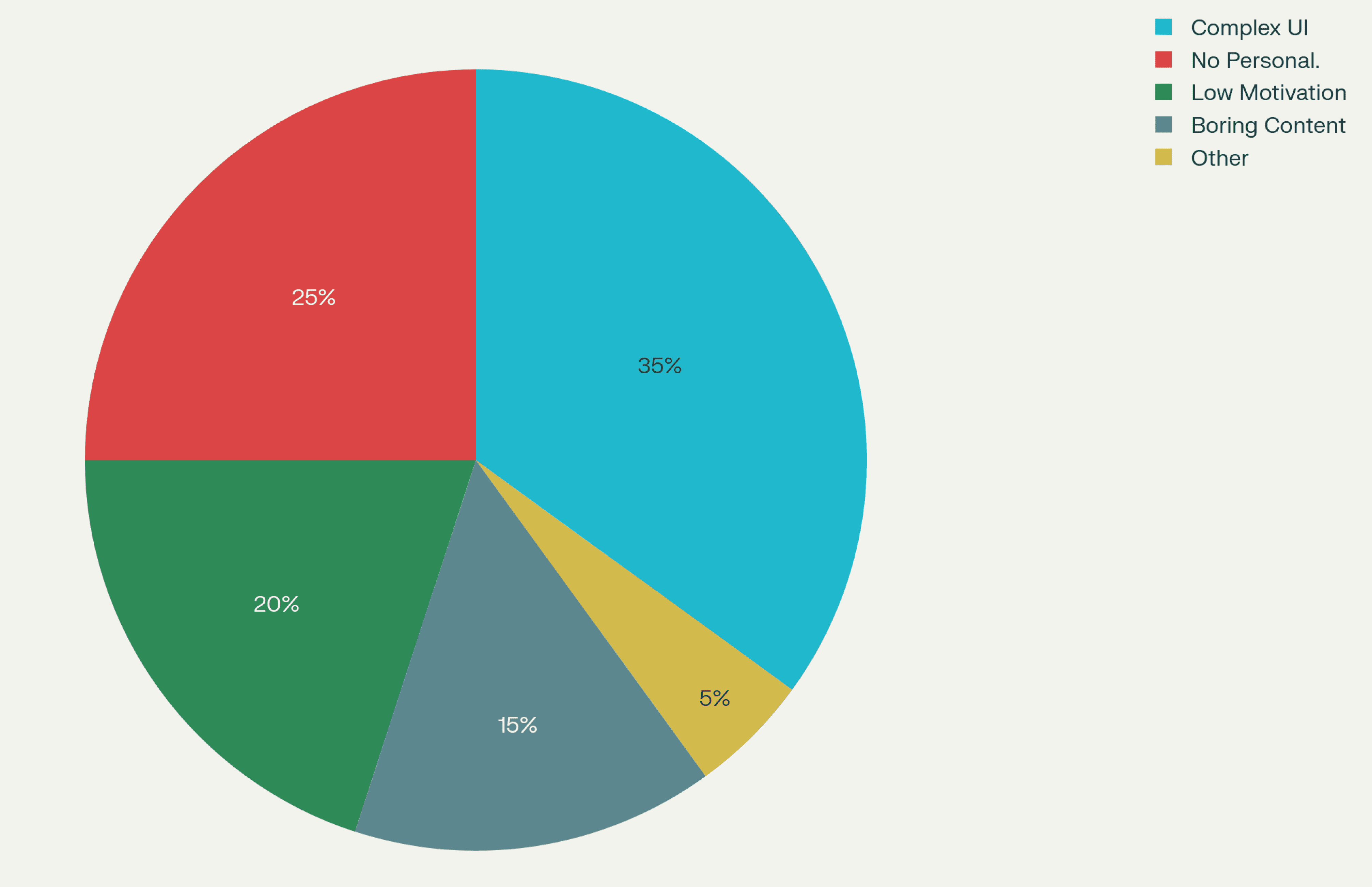
People know mindfulness can help reduce stress and improve focus, but most existing apps:
· Offer too much choice, leading to indecision
· Don’t surface relevant exercises at the right time
· Feel overwhelming rather than soothing
Design challenge:
How might we create a mindfulness experience that feels calm, personal, and effortless, helping users actually use the app regularly?
People know mindfulness can help reduce stress and improve focus, but most existing apps:
· Offer too much choice, leading to indecision
· Don’t surface relevant exercises at the right time
· Feel overwhelming rather than soothing
Design challenge:
How might we create a mindfulness experience that feels calm, personal, and effortless, helping users actually use the app regularly?
People know mindfulness can help reduce stress and improve focus, but most existing apps:
· Offer too much choice, leading to indecision
· Don’t surface relevant exercises at the right time
· Feel overwhelming rather than soothing
Design challenge:
How might we create a mindfulness experience that feels calm, personal, and effortless, helping users actually use the app regularly?
Primary audience:
Adults aged 20–45 looking for simple, calming mindfulness tools they can use in short daily moments.
Key user needs:
· Quick sessions that fit into busy routines
· Clear sense of progress and habit formation
· A calming UI that reduces stress rather than adds to it
Primary audience:
Adults aged 20–45 looking for simple, calming mindfulness tools they can use in short daily moments.
Key user needs:
· Quick sessions that fit into busy routines
· Clear sense of progress and habit formation
· A calming UI that reduces stress rather than adds to it
Primary audience:
Adults aged 20–45 looking for simple, calming mindfulness tools they can use in short daily moments.
Key user needs:
· Quick sessions that fit into busy routines
· Clear sense of progress and habit formation
· A calming UI that reduces stress rather than adds to it
I led the design from start to finish:
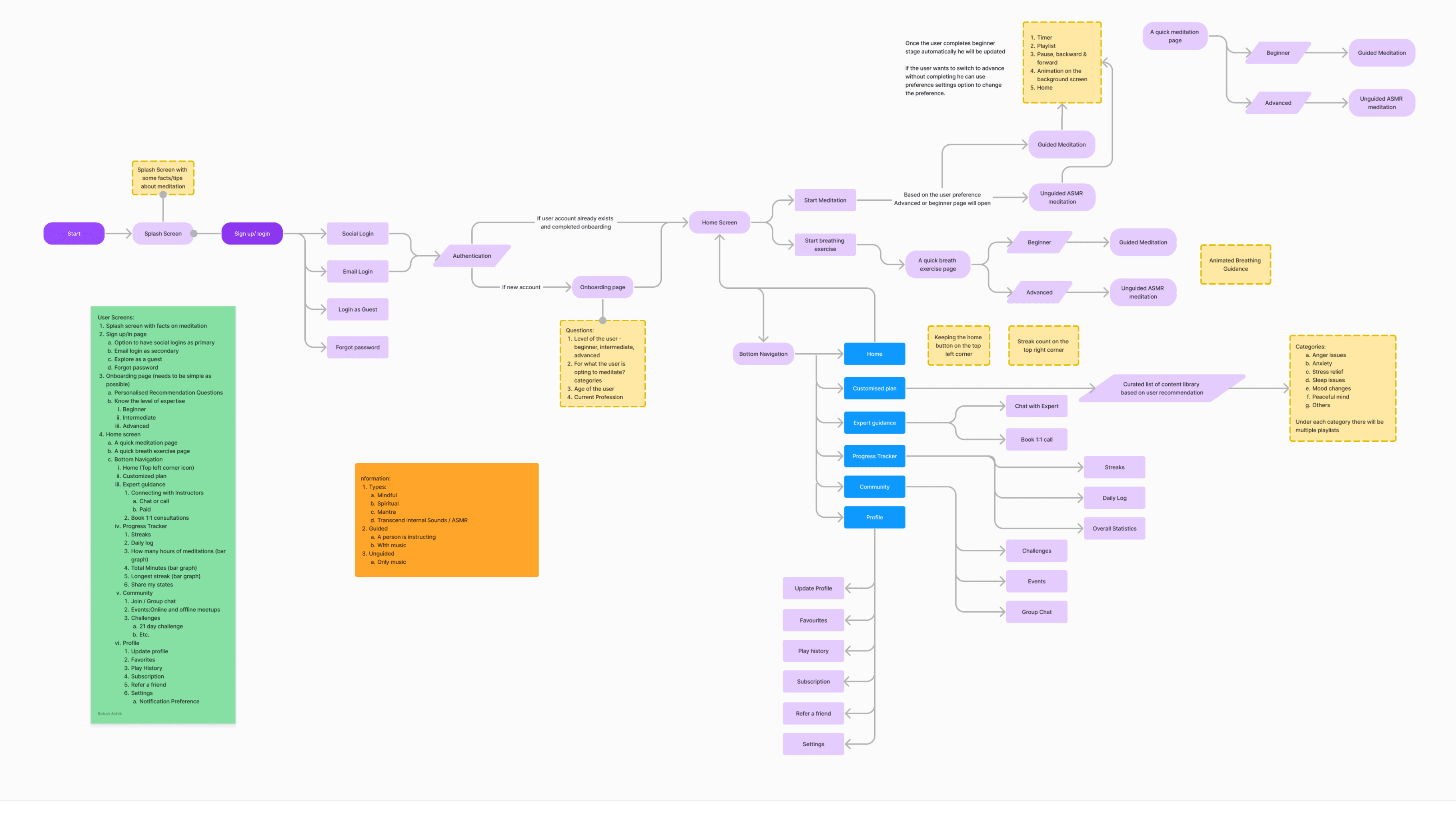
· Defined goals and user flow
· Conducted competitor analysis and informal research
· Developed wireframes and high-fidelity visuals
· Built interactive prototypes for usability testing
· Iterated based on real user feedback
I led the design from start to finish:
· Defined goals and user flow
· Conducted competitor analysis and informal research
· Developed wireframes and high-fidelity visuals
· Built interactive prototypes for usability testing
· Iterated based on real user feedback
I led the design from start to finish:
· Defined goals and user flow
· Conducted competitor analysis and informal research
· Developed wireframes and high-fidelity visuals
· Built interactive prototypes for usability testing
· Iterated based on real user feedback
I explored popular mindfulness apps (e.g., Headspace, Calm) and common UX patterns in the wellness space to identify strengths and gaps.
Key insights:
· Users want guidance that is bite-sized and immediately helpful
· Calm visual design builds trust and reduces anxiety
· Simple progression systems encourage daily habits
These insights became our design compass, ensuring the experience stayed focused on users’ emotional state.
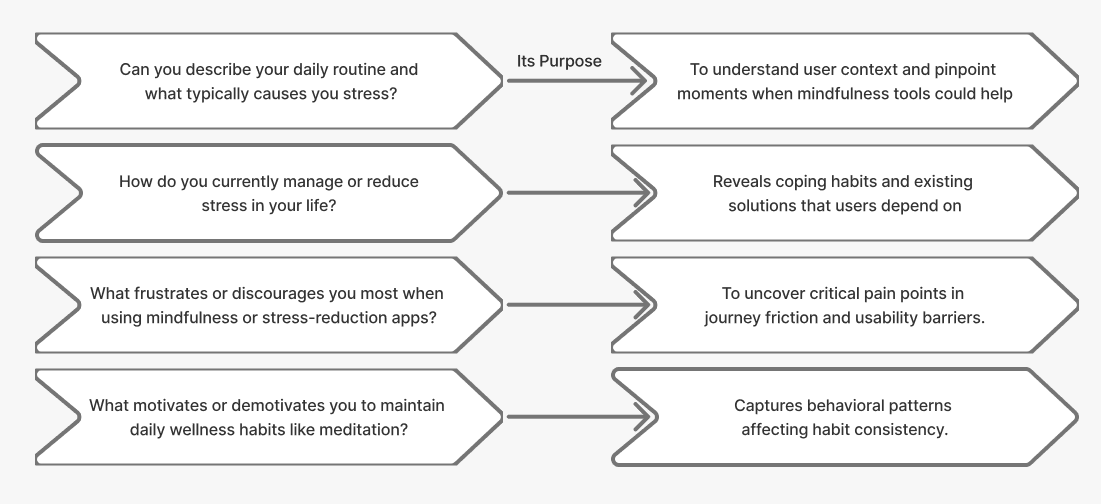
Here's how I framed the user interview questionnaire and addressing WHY I choose to ask those questions?
I explored popular mindfulness apps (e.g., Headspace, Calm) and common UX patterns in the wellness space to identify strengths and gaps.
Key insights:
· Users want guidance that is bite-sized and immediately helpful
· Calm visual design builds trust and reduces anxiety
· Simple progression systems encourage daily habits
These insights became our design compass, ensuring the experience stayed focused on users’ emotional state.
Here's how I framed the user interview questionnaire and addressing WHY I choose to ask those questions?
I explored popular mindfulness apps (e.g., Headspace, Calm) and common UX patterns in the wellness space to identify strengths and gaps.
Key insights:
· Users want guidance that is bite-sized and immediately helpful
· Calm visual design builds trust and reduces anxiety
· Simple progression systems encourage daily habits
These insights became our design compass, ensuring the experience stayed focused on users’ emotional state.
Here's how I framed the user interview questionnaire and addressing WHY I choose to ask those questions?
Wireframes & Visual Design
Wireframes & Visual Design
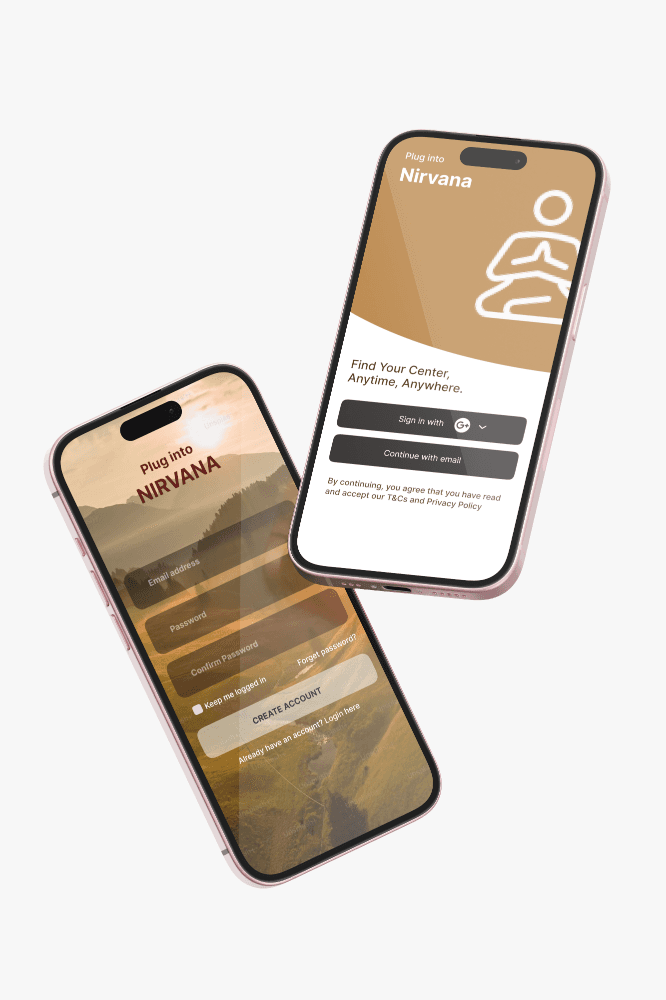
I began with low-fidelity sketches to nail down layout and flow, then moved into high-fidelity screens, using a palette inspired by nature and serenity (soft blues, warm neutrals). The UI emphasizes breathing room, soft interactions, and clarity, all central to mindfulness experiences
I began with low-fidelity sketches to nail down layout and flow, then moved into high-fidelity screens, using a palette inspired by nature and serenity (soft blues, warm neutrals). The UI emphasizes breathing room, soft interactions, and clarity, all central to mindfulness experiences
I began with low-fidelity sketches to nail down layout and flow, then moved into high-fidelity screens, using a palette inspired by nature and serenity (soft blues, warm neutrals). The UI emphasizes breathing room, soft interactions, and clarity, all central to mindfulness experiences
Prototyping & Usability Testing
Prototyping & Usability Testing
I built an interactive prototype in Figma and tested it with users using Maze. Feedback shaped key refinements:
What users appreciated:
· Short session timers
· Clear labels and calming visuals
· Mood check-in before sessions
What we improved:
· Reduced clicks to start sessions
· Simplified onboarding questions
· Added gentle motion cues for transitions
I built an interactive prototype in Figma and tested it with users using Maze. Feedback shaped key refinements:
What users appreciated:
· Short session timers
· Clear labels and calming visuals
· Mood check-in before sessions
What we improved:
· Reduced clicks to start sessions
· Simplified onboarding questions
· Added gentle motion cues for transitions
I built an interactive prototype in Figma and tested it with users using Maze. Feedback shaped key refinements:
What users appreciated:
· Short session timers
· Clear labels and calming visuals
· Mood check-in before sessions
What we improved:
· Reduced clicks to start sessions
· Simplified onboarding questions
· Added gentle motion cues for transitions
Nirvaana delivers:
· A welcoming onboarding with optional personalization
· Daily calm prompts tailored to morning and evening routines
· Guided sessions grouped by purpose (stress, sleep, focus)
· A light habit tracker to support consistency
The app remains intentionally minimal, promoting mindfulness without complexity.
Nirvaana delivers:
· A welcoming onboarding with optional personalization
· Daily calm prompts tailored to morning and evening routines
· Guided sessions grouped by purpose (stress, sleep, focus)
· A light habit tracker to support consistency
The app remains intentionally minimal, promoting mindfulness without complexity.
Nirvaana delivers:
· A welcoming onboarding with optional personalization
· Daily calm prompts tailored to morning and evening routines
· Guided sessions grouped by purpose (stress, sleep, focus)
· A light habit tracker to support consistency
The app remains intentionally minimal, promoting mindfulness without complexity.
Though this is a concept-to-prototype project, the early feedback highlights:
· Strong emotional response - users felt calmer and more present
· High task completion - users could start a session within 3 taps
· Positive habit intention - users expressed willingness to open the app daily
Design lessons learned:
· Simplicity is vital in wellness - less choice often leads to more use
· Emotional context matters - UI and interactions should reduce stress
· Quick wins (like short sessions) increase user confidence
Though this is a concept-to-prototype project, the early feedback highlights:
· Strong emotional response - users felt calmer and more present
· High task completion - users could start a session within 3 taps
· Positive habit intention - users expressed willingness to open the app daily
Design lessons learned:
· Simplicity is vital in wellness - less choice often leads to more use
· Emotional context matters - UI and interactions should reduce stress
· Quick wins (like short sessions) increase user confidence
Though this is a concept-to-prototype project, the early feedback highlights:
· Strong emotional response - users felt calmer and more present
· High task completion - users could start a session within 3 taps
· Positive habit intention - users expressed willingness to open the app daily
Design lessons learned:
· Simplicity is vital in wellness - less choice often leads to more use
· Emotional context matters - UI and interactions should reduce stress
· Quick wins (like short sessions) increase user confidence
To move Nirvaana toward a live product:
· Add personalization with profile-driven recommendations
· Integrate push notifications for mindful moments
· Expand analytics to show streaks and progress over time
To move Nirvaana toward a live product:
· Add personalization with profile-driven recommendations
· Integrate push notifications for mindful moments
· Expand analytics to show streaks and progress over time
To move Nirvaana toward a live product:
· Add personalization with profile-driven recommendations
· Integrate push notifications for mindful moments
· Expand analytics to show streaks and progress over time
This project reflects more than design skills - it shows my ability to:
· Understand emotional user needs
· Design with empathy
· Build calming, purposeful interfaces
It stands out as a reflection of human-centered design thinking, not just visual polish.
This project reflects more than design skills - it shows my ability to:
· Understand emotional user needs
· Design with empathy
· Build calming, purposeful interfaces
It stands out as a reflection of human-centered design thinking, not just visual polish.
This project reflects more than design skills - it shows my ability to:
· Understand emotional user needs
· Design with empathy
· Build calming, purposeful interfaces
It stands out as a reflection of human-centered design thinking, not just visual polish.